
Resources
Resources
Understanding Chinese Medicine requires exploring a variety of sources, ranging from classical texts to modern interpretations and research. Here are some of the best resources for learning about Chinese Medical concepts and their applications:
Classical Texts

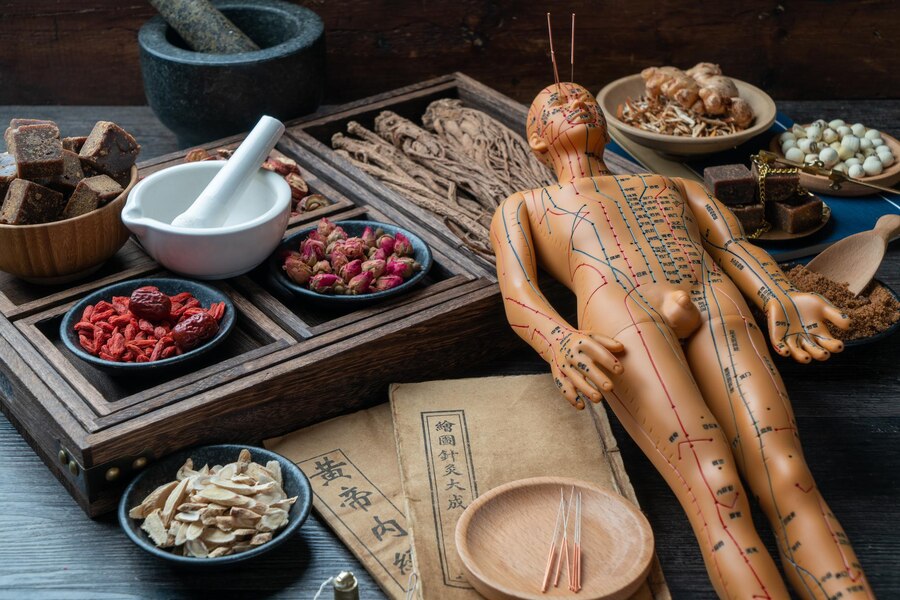
"The Yellow Emperor's Inner Classic" (Huangdi Neijing)
- This ancient text is one of the most important and foundational books in Chinese medicine, discussing the concepts of Qi, Yin-Yang, the Five Elements, meridians, and diagnosis.
- Recommended editions: Translation by Maoshing Ni or the version by Donald Harper.

"The Divine Husbandman's Classic of Materia Medica" (Shennong Bencao Jing)
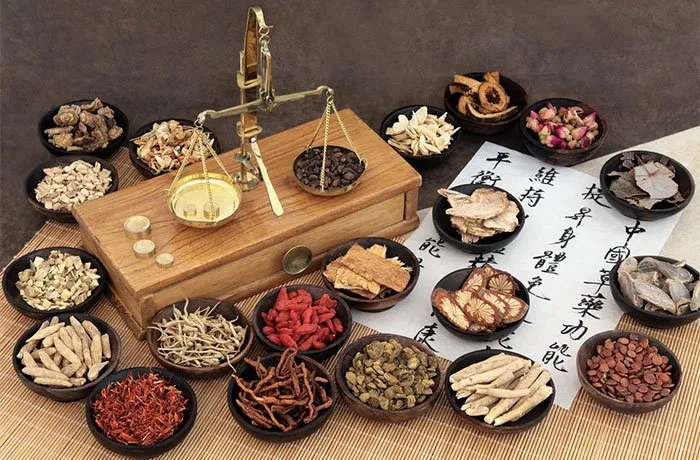
- A classic text on Chinese herbal medicine, it outlines the therapeutic properties of various herbs and provides guidance on how to use them in treatments.
- Recommended editions: Translation by Chen Jirui or other bilingual editions.

"The Canon of Diagnosis and Treatment" (Zhen Jiu Da Cheng)
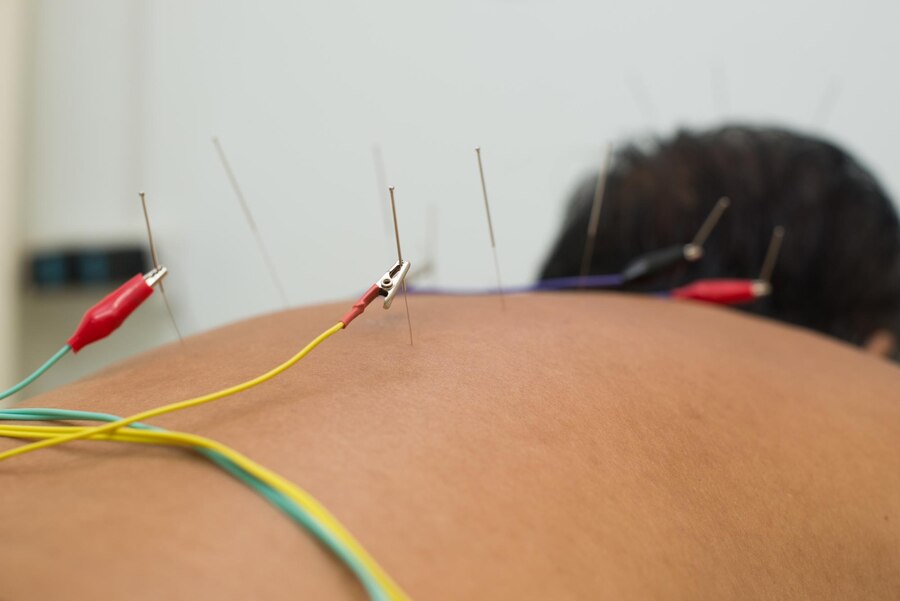
- A key text focusing on acupuncture and moxibustion, essential for understanding acupuncture techniques and their therapeutic applications.
Books by Contemporary Experts
There are many modern practitioners who provide comprehensive books on Chinese Medicine, combining ancient wisdom with modern clinical applications.
- “The Web That Has No Weaver” by Ted Kaptchuk:
- One of the most highly recommended books for beginners, offering a clear introduction to the principles of Traditional Chinese Medicine (TCM), including Qi, Yin-Yang, and the Five Elements.
- “Chinese Medicine: The Web That Has No Weaver” by Ted Kaptchuk:
- A comprehensive introduction to Chinese Medicine that covers its diagnostic techniques, herbal medicine, and theory in an accessible and approachable way.
- “The Foundations of Chinese Medicine” by Giovanni Maciocia:
- A detailed and authoritative textbook that covers the theory and practice of Chinese Medicine, including diagnosis, treatment, and internal medicine, aimed at both beginners and advanced students.
- “Chinese Medicine in Fertility and Reproductive Health” by Jane Lyttleton:
- A specialized text focused on using Chinese Medicine to address fertility and reproductive health, offering insights into diagnosis and treatment in these areas.
Videos and Podcasts
Several video platforms and podcasts feature knowledgeable TCM practitioners and educators. By combining traditional texts, modern interpretations, online resources, and hands-on practice, you can gain a well-rounded understanding of Chinese Medicine. Whether you’re a practitioner or someone interested in learning more, these resources provide essential insights into the rich and vast world of TCM.
Online Resources and Websites
Many websites offer educational articles, blogs, and courses on Chinese Medicine.

The National Certification Commission for Acupuncture and Oriental Medicine (NCCAOM)
- Provides resources and certification details for professionals in acupuncture and Chinese Medicine. Offers articles on TCM theory and practice
- NCCAOM website
The American Academy of Acupuncture and Oriental Medicine (AAAOM)
- Offers a range of educational resources on acupuncture, Chinese herbal medicine, and other aspects of TCM
- AAAOM website
Chinesemedicineadvice.com
- Offers informative articles, case studies, and advice on how to integrate Chinese Medicine into daily life.

Learning Resources from BASTYR University
- A respected university for integrative medicine that offers classes and resources on Chinese Medicine, both online and in-person. Their curriculum and faculty are experts in the field
University of Traditional Chinese Medicine (TCM) Resources
- Many universities that specialize in TCM have online libraries and publications, including the Beijing University of Chinese Medicine, Shanghai University of Traditional Chinese Medicine, and more.

Professional Journals and Publications
Research papers and journals are invaluable resources for learning about the latest developments in Chinese Medicine.
- The Journal of Chinese Medicine:
- A long-standing professional journal that publishes research, clinical studies, and case reports in Chinese Medicine.
- Journal of Chinese Medicine
- Chinese Medicine (Journal):
- An international journal that publishes research in all areas of Chinese Medicine, including acupuncture, herbal medicine, and TCM theory.
- Chinese Medicine Journal
Online Learning Platforms & Courses
If you’re looking for structured learning, several platforms offer online courses in Chinese Medicine.

The International College of Traditional Chinese Medicine (ICTCM):
Offers online courses and training programs in Chinese Medicine, acupuncture, and herbal medicine.

The College of Integrated Chinese Medicine (CICM)
Offers both online and in-person courses in Chinese Medicine, including herbal medicine and acupuncture.

Coursera and EdX
Offer free and paid courses on Traditional Chinese Medicine, including introductory courses on acupuncture, herbal medicine, and TCM theory.
Community and Forums
Connecting with others in the field can be a great way to learn.
- Reddit’s r/ChineseMedicine:
- A popular subreddit where practitioners and students of Chinese Medicine share knowledge, resources, and experiences.
- Acupuncture and Chinese Medicine Forums:
- Many online forums cater to those studying or practicing TCM, offering peer support, case discussions, and research advice.
Chinese Medicine Apps
Technology has made learning easier. Several apps cater to students of Chinese Medicine and healthcare professionals.
The TCM Clinic
A useful app for learning about Chinese Medicine, including acupuncture points, herbal formulas, and diagnostic techniques.
iTCM
An app that offers quick references to TCM diagnostics, formulas, and acupuncture points, great for practitioners and students.
The Eight Exogenous Factors
1. Wind (Feng 风):
- Characteristics: Associated with movement, change, and instability. Wind is considered a primary factor that can carry other pathogenic influences into the body.
- Effects on the Body: Sudden onset of symptoms, migratory pain, dizziness, tremors, and itching.
- Related Season:
- Affected Areas: Often invades the upper body and the surface, such as the skin and respiratory system.
2. Cold (Han 寒):
- Characteristics: Represents contraction and stagnation. Cold slows down circulation and energy flow (Qi).
- Effects on the Body: Chills, aversion to cold, stiffness, joint pain, and cramping.
- Related Season:
- Affected Areas: Tends to affect the joints, muscles, and digestive system.
3. Heat/Fire (Re/Huo 热/火):
- Characteristics: Represents excessive Yang energy, leading to inflammation and overactivity.
- Effects on the Body: High fever, thirst, restlessness, irritability, red skin, and rashes.
- Related Season:
- Affected Areas: Affects the skin, blood, and internal organs, often causing symptoms of inflammation.
4. Dampness (Shi 湿):
- Characteristics: Represents heaviness and stagnation. Dampness can obstruct the flow of Qi and fluids.
- Effects on the Body: Feeling of heaviness, swelling, diarrhea, and sticky or greasy discharges.
- Related Season: Late summer.
- Affected Areas: Often affects the digestive system, joints, and lower body.
5. Dryness (Zao 燥):
- Characteristics: Represents a lack of moisture. Dryness can damage bodily fluids.
- Effects on the Body: Dry skin, dry throat, dry cough, and constipation.
- Related Season:
- Affected Areas: Affects the lungs and the skin.
6. Summer Heat (Shu 暑):
- Characteristics: Unique to summer, this factor represents extreme heat combined with dampness.
- Effects on the Body: High fever, profuse sweating, fatigue, dizziness, and dehydration.
- Related Season:
- Affected Areas: Affects the body’s Qi and fluids, leading to heat exhaustion or heatstroke.
7. Phlegm (Tan 痰):
- Characteristics: Although not strictly an external factor, phlegm results from the interaction of external factors with internal imbalances, particularly Dampness.
- Effects on the Body: Cough with mucus, nasal congestion, and nodules.
- Relation to Other Factors: Often paired with Dampness or Cold.
8. Stagnation/Stasis (Yu 瘀):
- Characteristics: Stagnation of Qi or Blood caused by internal or external factors, including trauma.
- Effects on the Body: Pain, swelling, or bruising.
Key Points:
- The Eight Exogenous Factors are seen as influences that disrupt the balance of Yin and Yang and the flow of Qi and Blood.
- The body’s defensive energy (Wei Qi) plays a critical role in resisting these influences. If Wei Qi is weak, these factors can penetrate deeper, causing more severe illnesses.
- Treatment focuses on expelling these influences from the body and restoring balance using modalities like acupuncture, herbal medicine, dietary therapy, and Qi Gong.
These factors are metaphorical as much as they are literal, reflecting the integration of environmental, emotional, and physical health in CCM.